Developing and maintaining a healthy sense of self as shaped by God, community, and life experiences & Exhibiting strong moral character and personal integrity
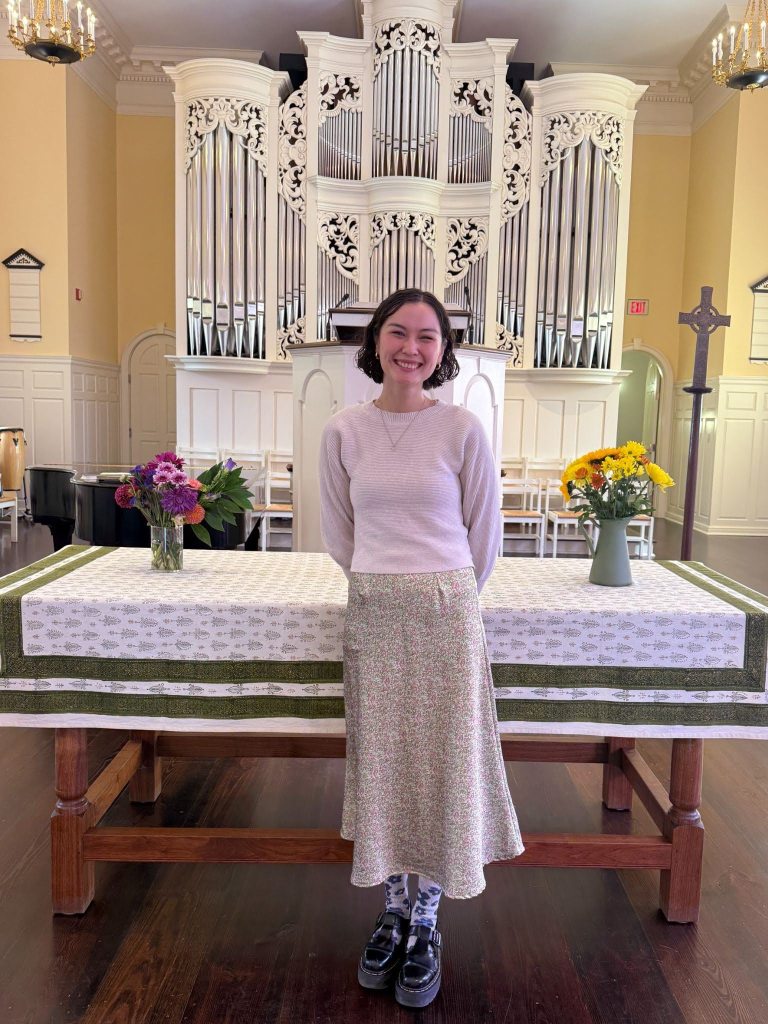
Over the course of my studies, I have learned to embrace standpoint and subjectivity as a gift. I read scripture, preach, write, and enter pastoral relationships from my own unique context, shaped by my identities and lived experiences. God has created a great diversity of beings, a messy, mixed-up, and strange plurality, and we all bring a different perspective to the world. This, I believe, is a great gift.
When I acknowledge my limits and my subjectivity, I am able to speak with integrity, while leaving space for the ideas and experiences of others. We lose the plot when some people are treated as totally objective and authoritative, erasing their own standpoints and commitments.
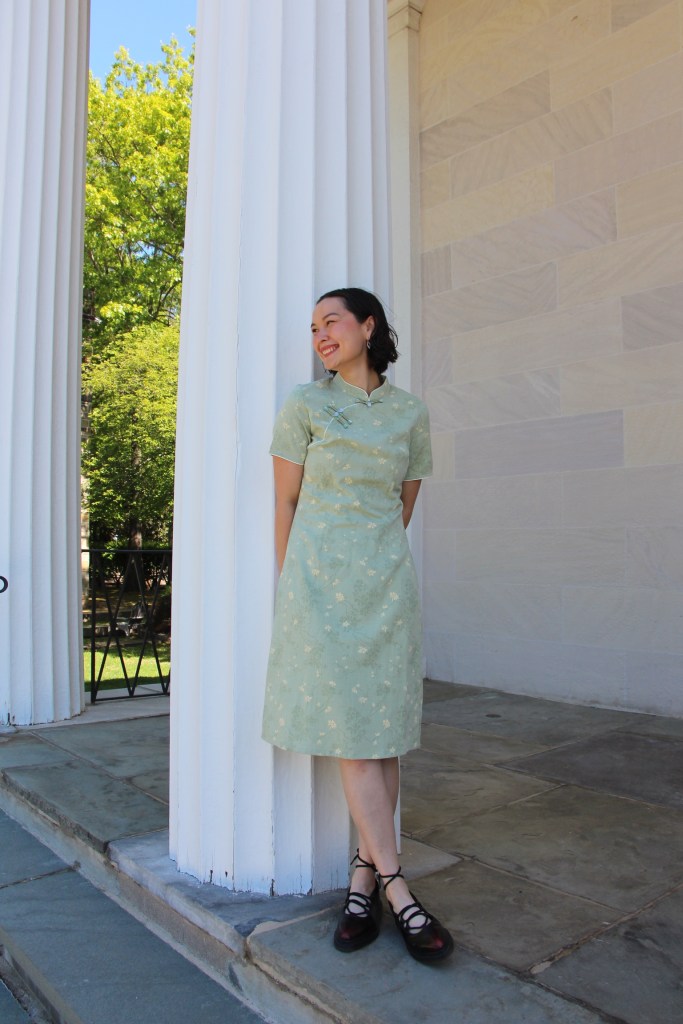
Some of my standpoints are my queerness, my race, my gender, and my family background. When finding my church home, it was particularly important to me to find a space where I wouldn’t have to leave any parts of my identity behind. Growing up, I never saw a woman behind the pulpit, and it took time for me to imagine myself as a minister, especially as a queer Asian woman. I struggled with my idea of what a minister is, and by extension my ideas of both God and objectivity.
But if the scriptures are to be believed, every one of us holds the image of God. And every one of us is both limited and gifted beyond measure by our subjectivity. I am glad that I now can live into my ministerial identity— my full identity— with integrity. And I am so very grateful that the UCC is a space where that can happen.
Living in relationships of covenantal accountability with God and the Church.
Covenant is one of the main themes, if not the most important theme, in the Hebrew Bible. Many people might think of God’s covenant of circumcision with Abraham and his descendents as the first covenant in scripture, the one that initiates the relationship between God and God’s people. I would argue that humanity’s covenant with God goes even further back in Genesis, when God creates us out of dust “to till the ground” (2:5). Our existence is born out of relationship with God’s creation. Thus, when we discuss covenant, it is important to acknowledge our interconnections with the wider-than-human world. We are in a covenant of mutuality with the earth, of give and take, of sunshine and oxygen. And I think it is pretty clear that humanity has lost our sense of place in that creation, and are not living up to our end of the covenant to take care of the garden. We have become careless and even cruel neighbors to our fellow beings.
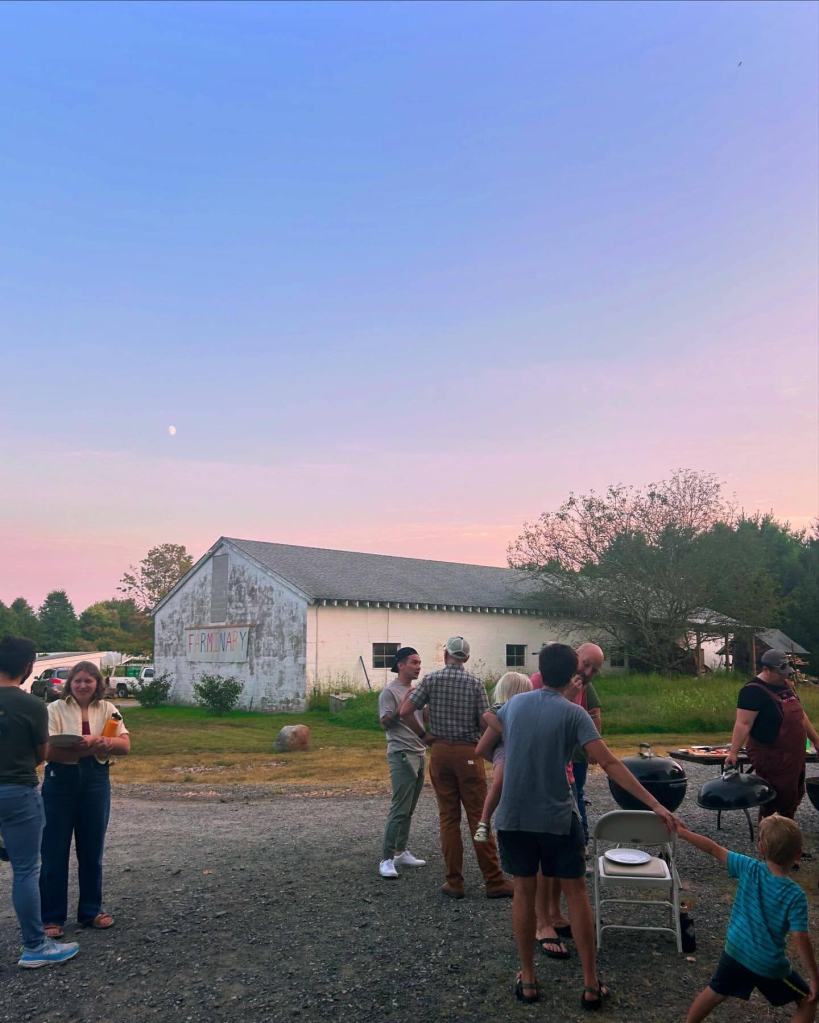
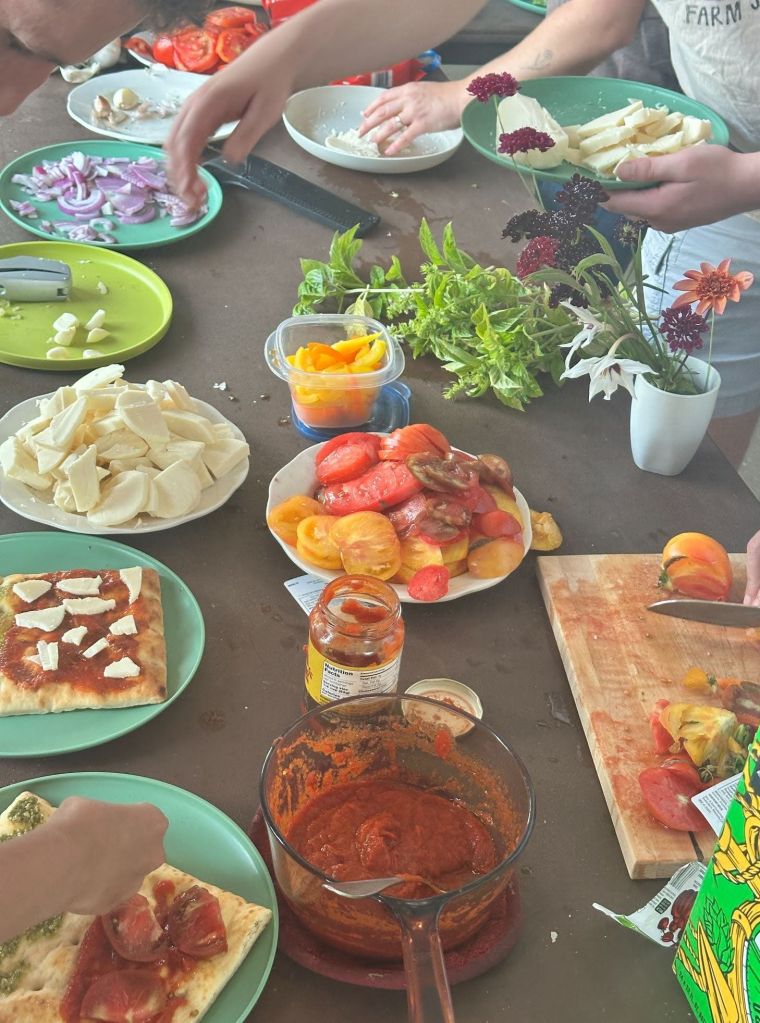
One of my favorite quotes, and a fundamental tenet of my theology, comes from Braiding Sweetgrass: “All flourishing is mutual.” This idea is at the center of so much of my preaching and teaching. The idea that my well being is inextricably bound up in yours, is inextricably bound up in the well being of the soil, of the trees, of my neighbor. Relationships are not only important in ministry, they are fundamental to our shared life together. Thus, I hope my values of covenant and mutuality shape how I treat my neighbor, the Church, and the world around me. Whether I am helping organize farm potlucks and seed swaps, or learning about mutual aid strategies for churches amid climate disaster, I see my work as bound up in the health and well-being of both my community and the land. These are lofty ideals— too hard to accomplish alone— but through covenant and interdependence, God gives us the gift of one another.
Respecting the dignity of all God’s people.
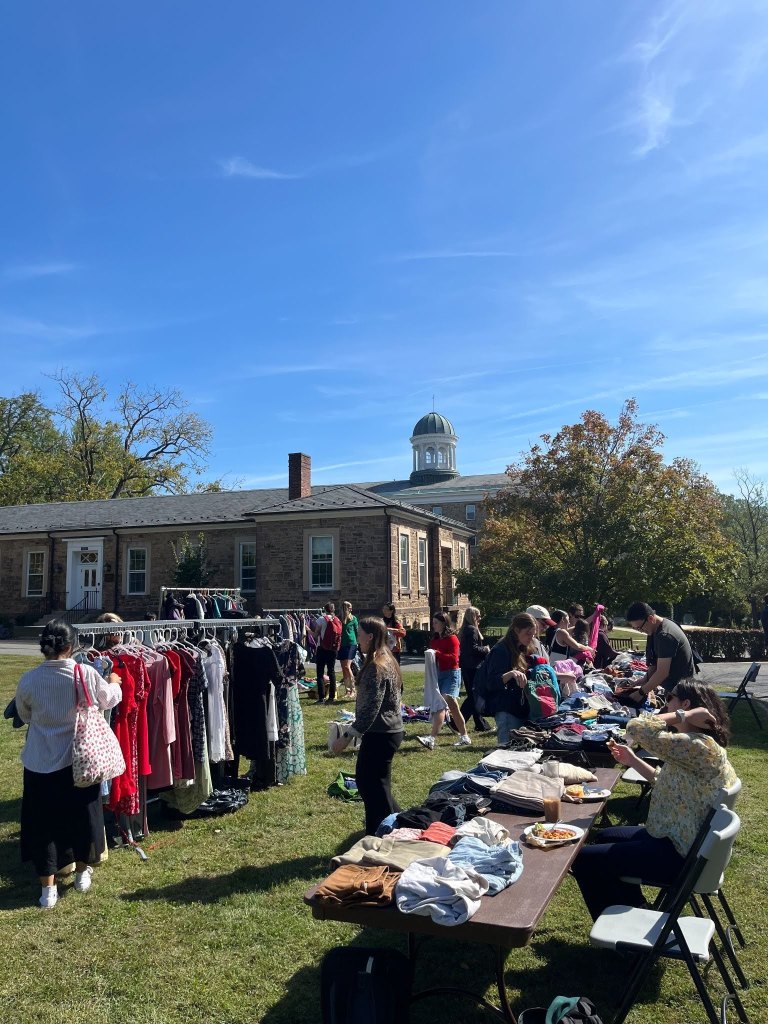
Walking alongside people through both the joys and profound sorrows of life is work I take incredibly seriously, and have cultivated through my work in the church, university, and hospital space. I have provided pastoral care to people struggling with substance abuse, grief after losing a family member, and in inpatient mental health settings. Through my counseling practice and ministry of presence, I seek to humanize people who are not always taken seriously, even when it just means empathetic listening and holding their pain with them.
The following is an excerpt from my final evaluation from my supervisor for Clinical Pastoral Education, which I believe speaks to my intentionality in offering dignity and humanity to all people.
“Lin has done well to engage across difference during this unit of CPE as she has provided care in a diverse hospital setting on two clinical floors–Acute Care for the Elderly and Medical, Neurology, Oncology, and Psychiatry. She has provided care across lines of difference including age gaps, diagnoses of serious mental illness, and racial, ethnic, and cultural differences. I am grateful for the intentionality Lin brings to her caregiving work and the ways she seeks to humanize her care-recipients, particularly in a context that can at times take away one’s dignity.”
Understanding and ministering to stages of human development across the life span.
Through my ministry field education experiences, I have worked with small children, youth, university students, and adults. While completing Clinical Pastoral Education, I walked with people who had received life-changing and terminal diagnoses, and sat with families who had just lost a loved one. In my internship with Princeton Presbyterians, I thought seriously about the challenges of loneliness and alienation that young people face today, and worked to facilitate experiences of transcendence and connection. As I enter this new call to a pastoral residency in a parish setting, I am excited to work with folks of all ages, and to continue to cultivate a ministry of empathetic presence.
Demonstrating excellent communication skills.
You made it to the end of my Marks portfolio! I’ll let you judge how effective my communication skills are. After three years of seminary and three field education internships, I have spent a lot of time communicating through pastoral counseling, preaching, teaching, designing social media posts, writing papers, and generally being a human in relationship with others. If you head to the appendix, you can experience how I communicate in a number of styles. You can check out my sermons, my posts for the Farminary, my papers, and more.
Thank you for taking the time to get to know me through this portfolio!