Acknowledging Jesus Christ as the sole Head of the Church & Knowing and appreciating UCC history, polity, and theology.
As a part of my UCC History and Polity class, I had the privilege of reading History and Program by Margaret Post, and learning much more about the origins of the United Church of Christ. One continuity I noticed from the age of the Reformers all the way to our current faith statements is the emphasis on Jesus Christ as the head of the church. In the early 1400s, John Hus preached that “Christ, not the Pope, was the head of the church.” Likewise, in 1581, Robert Browne broke with Anglican tradition by expanding Reformation ideas to say that “the only true church was a local body of believers” and that “Christ, not the king or queen, was the head of such a church.” In an age of absolutist monarchs who claimed divine authority to rule both nation and church, this was a radical idea. And this theological truth has remained the cornerstone of the United Church of Christ. Margaret Post writes, “The United Church of Christ continues to be a united and uniting church. God alone is its author; Christ alone is its head.” This rejection of any authority besides Jesus feels especially important in an era of deep Christian nationalism, when the United States appeals to Christian language to assert dominance and control. Regardless of the powers and principalities and their appeals to divine authority, the United Church of Christ rejects any head besides Christ.
I share this theological bedrock and the anti-authoritarian convictions of the United Church of Christ. For one of my sermons, I had the opportunity to exegete John 18:33-37 and preach on the reign of Christ. The following is an excerpt which I believe exemplifies my theology of Christ as sole authority:
“Jesus moves the conversation outside the values of Pilate, the values of political power and empire. He points us to the truth that God’s reign shines through even in the darkest moments. The gospel of John, of all the gospels, gives us the strongest image of a crucified king. Of a reign that is manifest in great suffering and betrayal, and yet not destroyed by it.
The reign of Christ subverts all of our earthly expectations. If we look for signs in riches, in military might, in all we associate with majesty and power, we will not find it in the gospel story.
Instead, Jesus challenges us to open our eyes to a different kind of strength. The strength it takes to speak truth to power, as Jesus did to Pilate by challenging his idea of kingship. The strength it takes to serve others, to spend your life in the dusty streets with the poor and suffering rather than in a palace of riches. The strength it takes to align yourself with the oppressed, even when it comes at great personal risk.
This is the strength and the might of our God. And this is the kind of reign that is coming to earth, even now, maybe especially now.”
Communicating passion for the oneness of the Body of Christ (John 17:21).
One of the things that drew me to the UCC the most is the desire to be in covenant not just with other UCC local churches, but churches of other denominations. I really value “open communion” relationships and the work the UCC has done to establish mutuality with different traditions. To me, this shows that we value covenant, oneness, and an ecumenical humility.
Being the “united” church of Christ does not mean sameness, rather it is an agreement or covenant to be constantly uniting and reaching out for a more expansive welcome. I see this emphasis on covenantal relationship both at the denominational and local level. For example, the church I am a member of, Christ Congregation, holds dual standing with the UCC and American Baptist Church. This reflects our desire to be connected with other churches worldwide in both the UCC and Baptist traditions. We want as many people to feel welcome as possible.
Holding active membership in a Local Church of the United Church of Christ & Participating in the various settings of the United Church of Christ, including Local Churches, Associations, Conferences, General Synod, and global ministries.
I was not raised in the United Church of Christ, and found the denomination as an adult. But as soon as I joined my home church, Christ Congregation, I knew I had found the denomination that shared the values I have built over the course of my whole life. Christ Congregation has been my spiritual home for the last three years, my safe place to land throughout the highs and lows of seminary, and a space where I have cultivated my ministerial gifts through preaching and liturgy. I feel so much gratitude for the wonderful folks of CC who affirmed my call, from Pastor Kirk, to the members of my Local Discernment Committee, to everyone who walked with me throughout my journey towards ministry.
I have loved learning more about the life and work of the UCC both through events at Christ Congregation and at the Association/Conference level. Two recent examples are Christ Congregation’s AAPI Heritage Month celebration, which included a phenomenal lecture by Dr. Minji Lee, and a workshop hosted by the Central Atlantic Conference on Disaster Ministries and Church Disaster Preparedness. I learned a lot from both of these events, including how many people there are in my denomination who are interested in the same issues and work as me. I am excited to become more involved in the life of the church, but also understand that this is a growing edge as someone who did not grow up UCC. It is my hope and my intention to continue my involvement with CAC disaster ministries and bring my passion for climate preparedness and environmental justice both to any church where I work as well as to the broader UCC.
Exhibiting a commitment to the core values of the United Church of Christ: continuing testament, extravagant welcome, and changing lives.
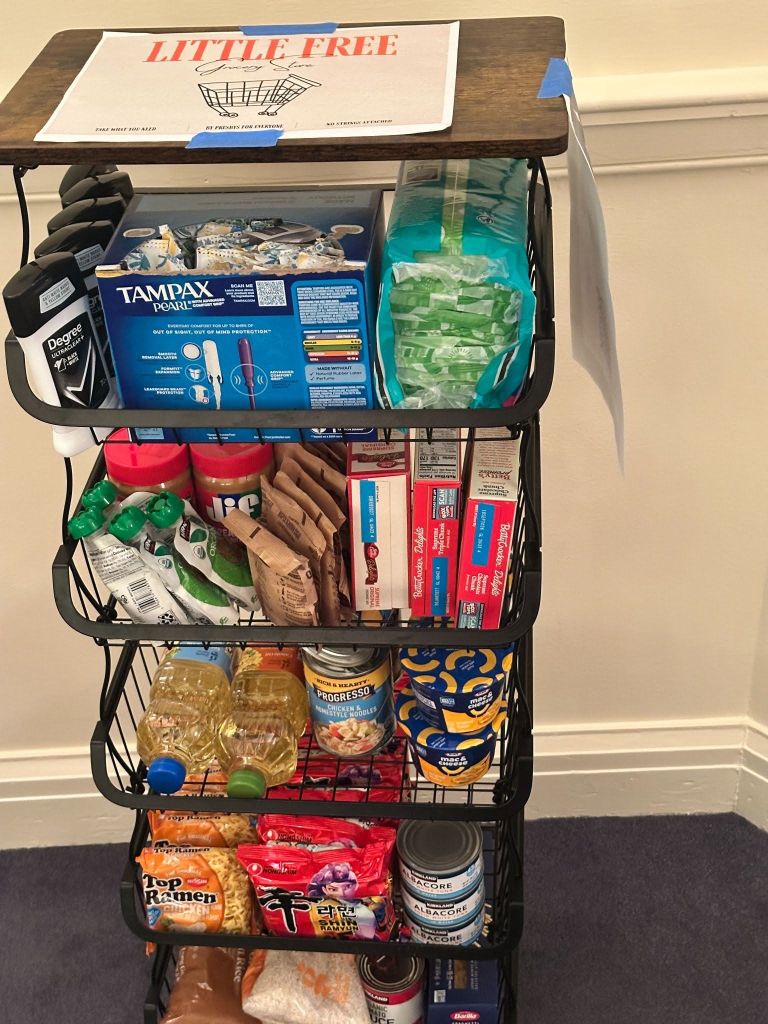
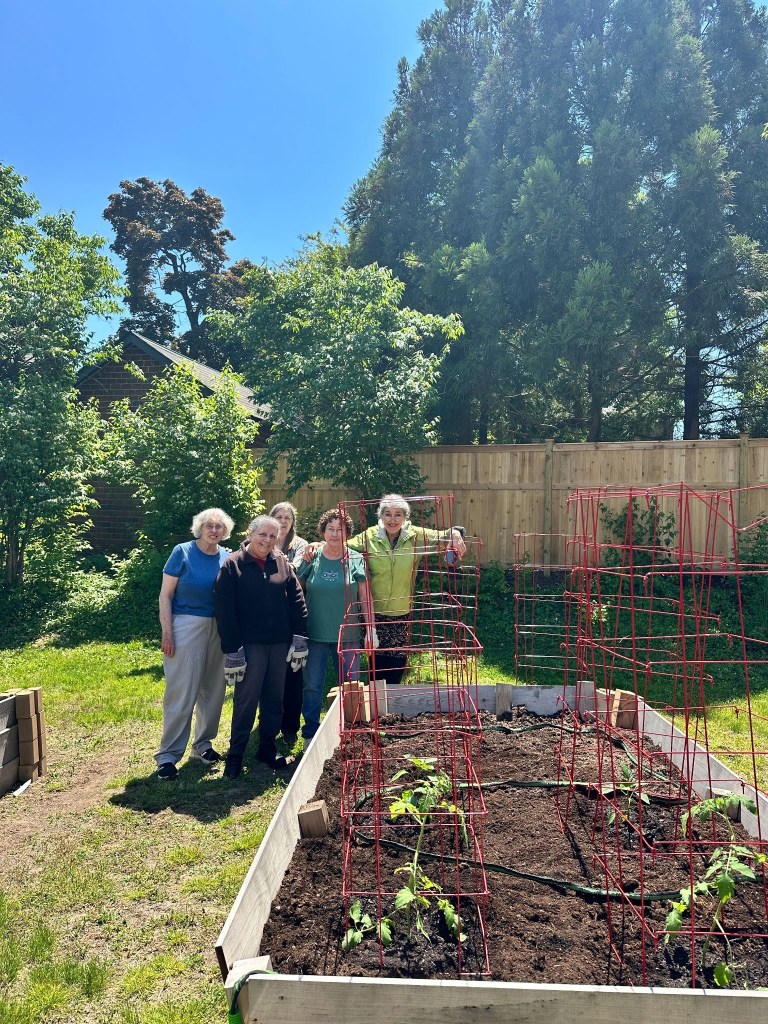
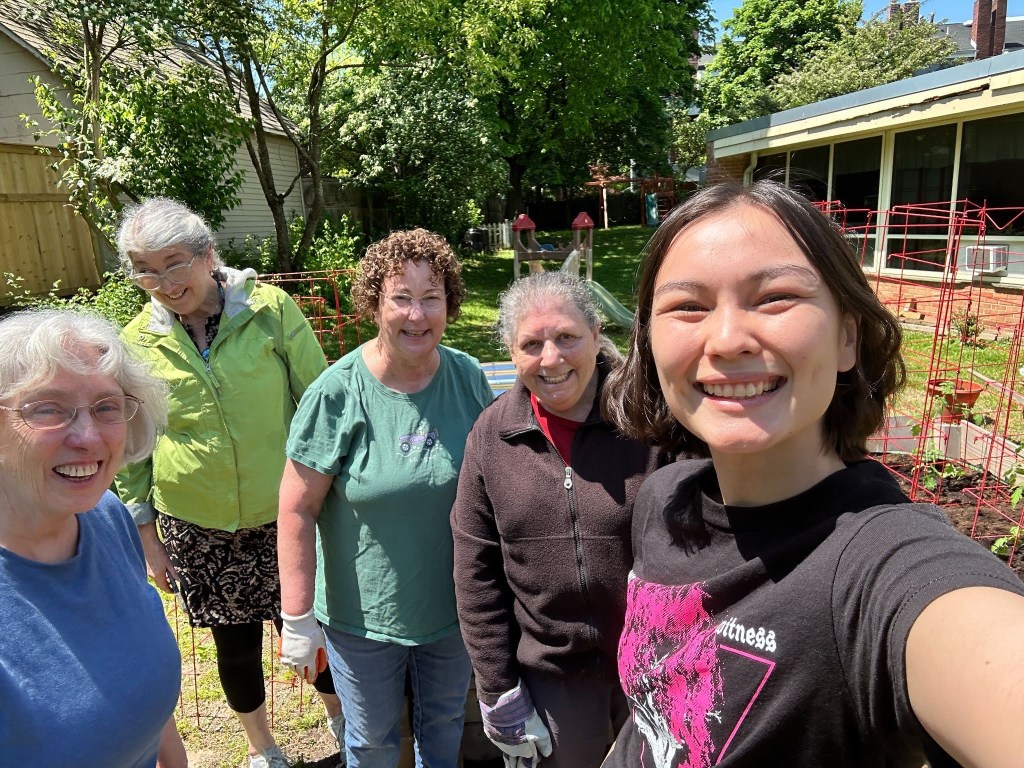
I believe I strongly demonstrate a commitment to the UCC’s core values of radical hospitality and welcome. At my most recent field education placement, a chaplaincy internship at Princeton Presbyterians, I combined my passions for accessible worship spaces and fighting food insecurity to help design, implement, and promote the “Little Free Grocery Store,” a free resource with food and hygiene products that now lives in the chapel where Princeton Presbyterians worship. I also developed a social media campaign to share about this resource and connect food security work to our values of open hospitality and faith seeking justice. After preaching multiple sermons and teaching an adult education class in a previous internship about food justice, I felt called to put my faith into action to address food insecurity in my community.