
Empowering the Church to be faithful to God’s call, reflective of Christ’s mission, and open to the surprises of the Holy Spirit. & Strategically creating the future of God’s Church.
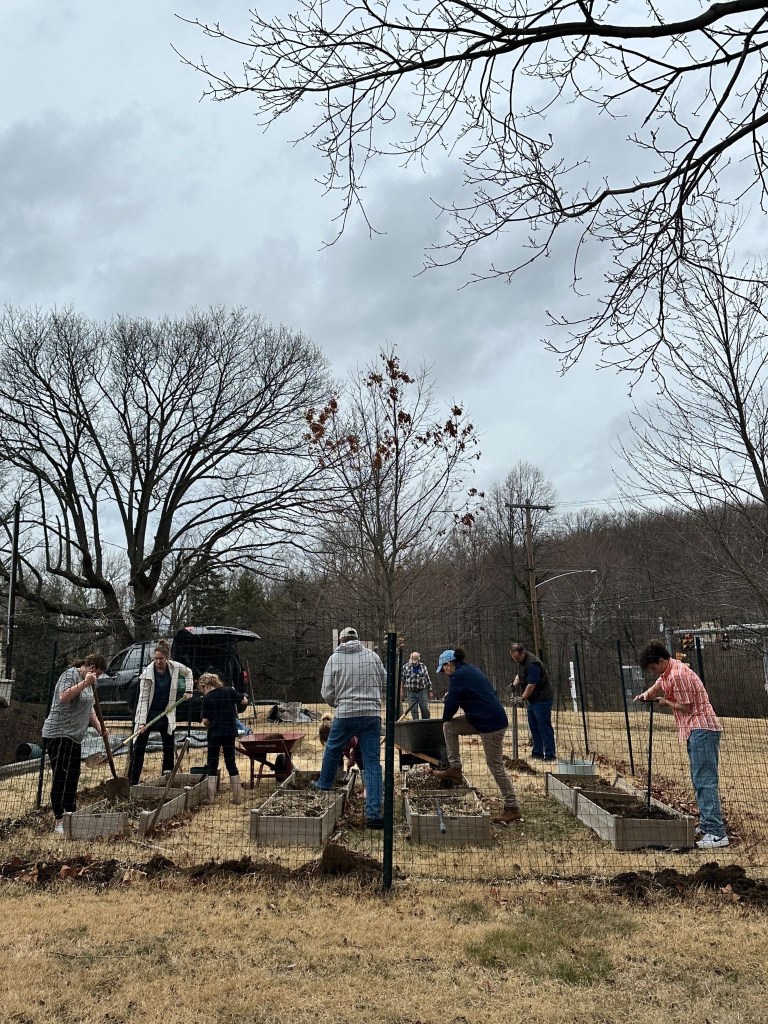
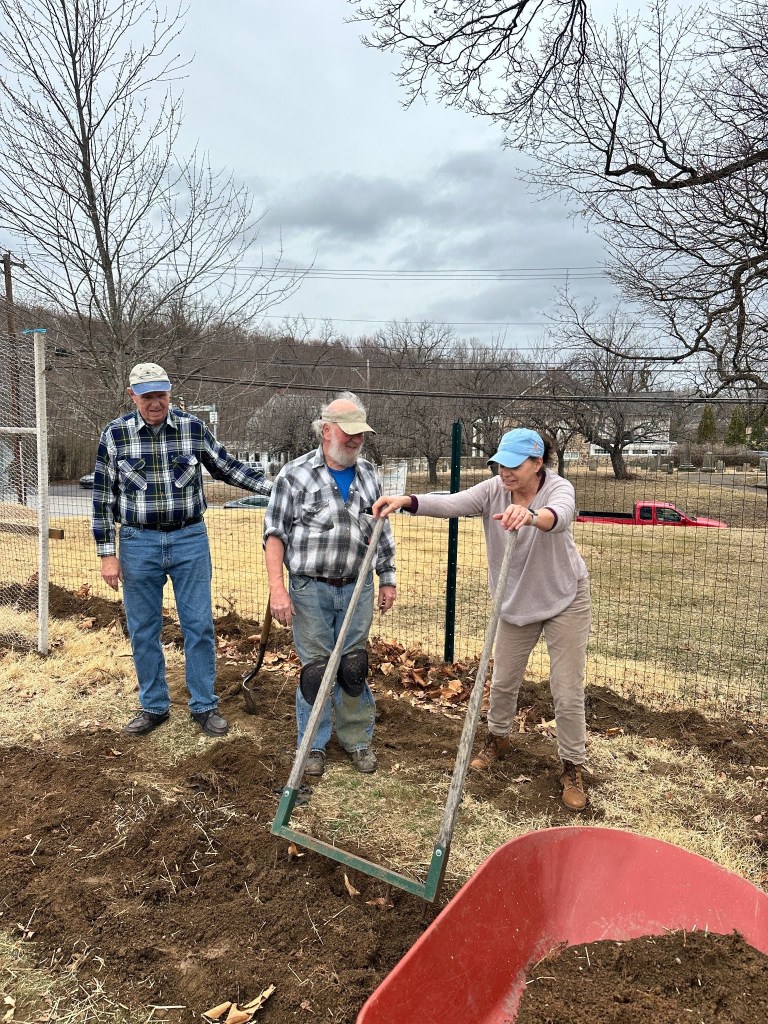
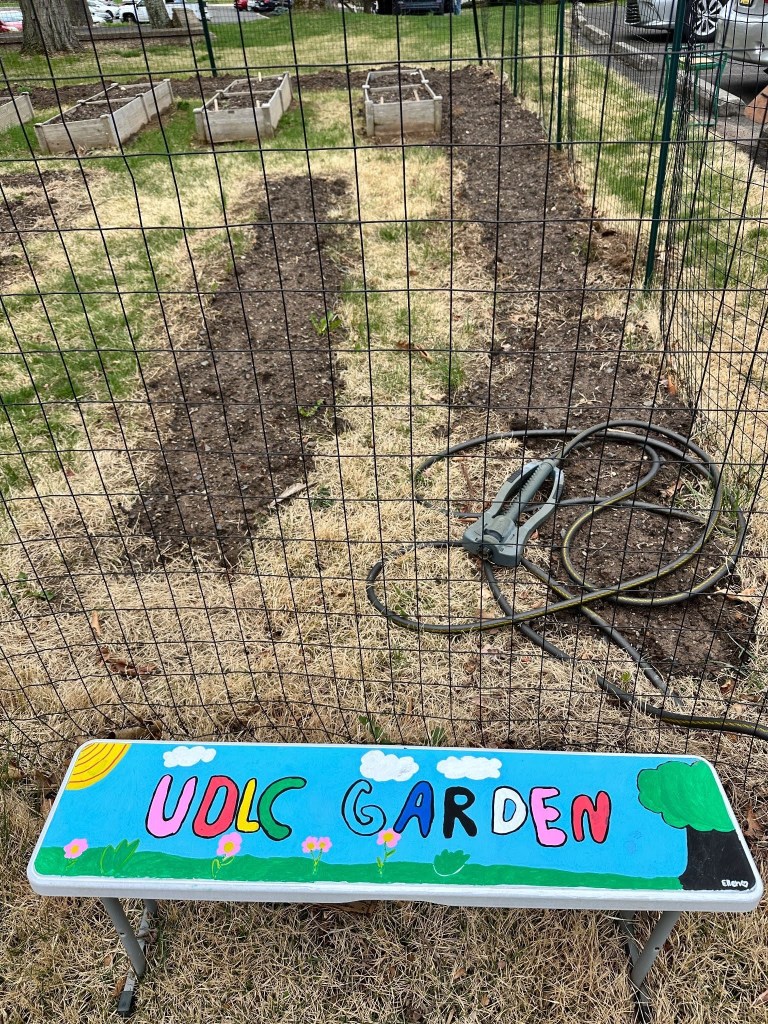
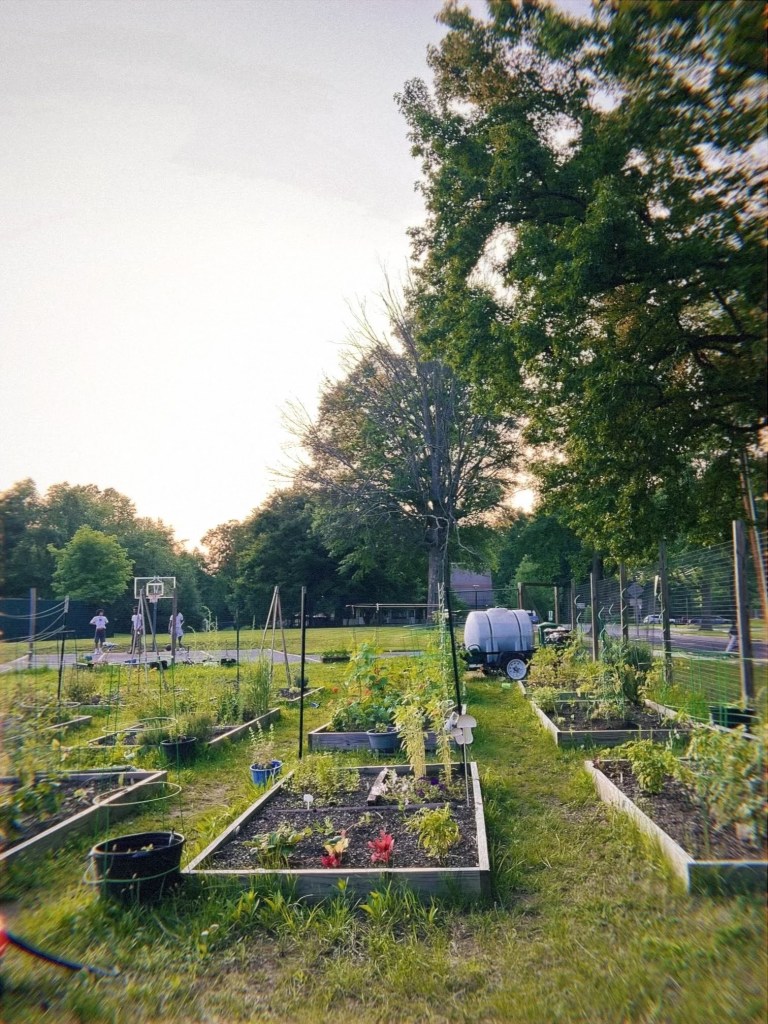
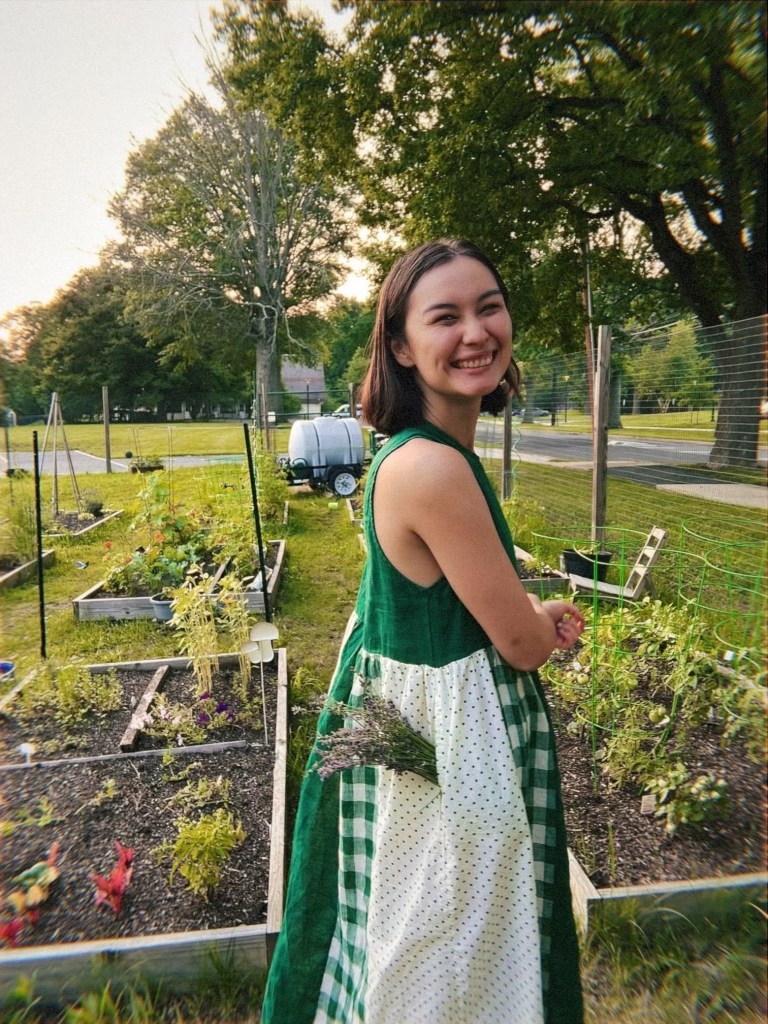
When I think of casting a vision for the Church while leaving room for the surprises of the Holy Spirit, I think (to no one’s surprise) of a garden. One of the basic premises behind the Farminary at Princeton Seminary is that the skills of a good farmer and a good gardener have a lot of overlap. Farming and gardening take humility, careful listening to the earth, a commitment to the hard work of caring for other creatures, and a long term plan that never goes quite how you expect. I have had the honor of bringing my farming experience to many ministry spaces, including in my work at Upper Dublin Church, where I helped lead a team to plan and execute a new vision for their community garden. At the same time, I was helping to organize the student community garden at my seminary, leading the student ecological initiative, and still working for the Farminary.
For a long time, I struggled to think of what I was doing as leadership. I was just getting people together, scheduling workdays, assigning garden plots, and ordering dirt. But now, I think that organizing people in service of a shared mission is what a leader does. My leadership style is as collaborative and interdependent as God’s creation, where no one is able to flourish alone.
Throughout all of my experiences of environmental and ministerial leadership, I believe that one of my gifts is to look at a patch of dirt and see a garden. I find the people who share my vision, and then find us the tools we need to bring that garden to life. And when something goes wrong, as it inevitably does in gardens and in all ministry, I have the theological humility to laugh at the idea that we have any sort of control over God’s unruly created world.
Witnessing in the public square to God’s redeeming power.
One of my most important theological conversation partners for proclamation is Walter Brueggman and his transformative book, The Prophetic Imagination. The following is excerpted from the introduction to my preaching series entitled “Preaching Lent with Prophetic Imagination,” which exemplifies my commitment to speaking openly and truthfully about oppression and the need for systemic change. You can read the full introduction and sermons here.
“Pope Francis once called the ongoing conflicts across the globe “a third world war fought piecemeal.” While I am not an expert on global conflict, I am somebody who is invited into churches to proclaim the good news of God, which puts me in a position to name the painful reality of our world and suggest that this violence is not all God has in store for us. In his work, Brueggman calls us to cut through the numbness of the dominant imagination through honestly naming and grieving the death and destruction that we are conditioned to ignore. Each of these sermons seeks to make space for grief, to turn our attention towards the ugly reality of imperialism and global capitalism.”
“The prophets of our scriptures do not bypass grief, but they also do not let it have the last word. After criticism, Brueggman calls us to energize the people of God by fostering an alternative consciousness. If empire seeks to overcome history and reify the present social order, the task of the prophet is to show that newness is possible, and not just possible but actively “at work in our history with God.” In each of my sermons, I pay special attention to the idea of God doing something new in the world. Further, I also try to foster opportunities for the listener to engage their own imagination in envisioning the newness of God.”
Working collaboratively with intercultural awareness and sensitivity.
I grew up in a rural college town where I was one of only a couple of Asian kids. Since then, I’ve lived in a variety of settings, and experienced different positionalities in relation to my identity and environment. When I was in tenth grade, I lived in Bangkok, Thailand for a semester, and had to quickly adapt to being an American in an urban environment where almost everyone was more Asian than I was. This experience made my world so much bigger, and shaped my values of cultural exchange, cosmopolitanism, and strength through diversity. I continued to grow my world by going to university in Washington, D.C., and then by attending graduate school in Princeton, NJ. People like to make fun of New Jersey, but I truly think it is one of the greatest cultural melting pots in the world, and I have absolutely adored living in such a diverse and accepting place (even if that acceptance often comes through a gruff East Coast exterior).
While working at Penn Medicine Princeton, I met people of different nationalities, immigration status, language, and class background every day. I stumbled through some of my first interfaith encounters, and was almost always surprised by the grace and excitement of my patients to teach me about their faith. I learned to listen more than speak, and to find points of shared meaning instead of trying to imitate someone else’s tradition. I learned to be an empathetic presence and pray for people who expressed views I found offensive and sometimes even abhorrent, often as a result of their complicated mental health situations.
The promises of God, and the togetherness that comes through the binding of the Spirit, are for everyone. Scripture tells us that in the city of God, people will come from every nation. Jesus calls us to love our neighbor and to live together with people from backgrounds, religions, and occupations different from our own.
But in practice, this can be really hard! In practice, I am messy, have trouble living up to my ideals, and struggle with my complicated matrix of power and privilege in the world. What I can promise is that I care, a lot, and am committed to trying to live this life together. I am committed to helping build the city of God on earth.
“Its gates will never be shut by day—and there will be no night there. People will bring into it the glory and the honor of the nations.” Revelation 21: 25-26
Encouraging leadership development of self and others through continuing education and lifelong learning & Performing necessary and appropriate administrative tasks.
Throughout my Member in Discernment process, my advisors helped me identify that one of my growing edges was thinking of myself as a leader. Like many young women, and people who have bad associations with top-down hierarchies, I struggled to claim the identity of “leader.” One experience that really helped me develop my capacities for church leadership was participating in a seminary student cohort of Iron Sharpening Iron, an executive leadership program for women in ministry. Throughout my week at Iron Sharpening Iron, I worked with a career coach, learned about narrative budgets and financial literacy for church work, and met so many phenomenal women pastors who have helped me along my ministry journey. As I enter a two-year pastoral residency at Village Church in Wellesley, which is pastored by a staff of phenomenal women, I am excited to continue stepping into my leadership identity as I learn the skills that will equip me for ministry.

